Ajika: A Modern Sans Serif Font
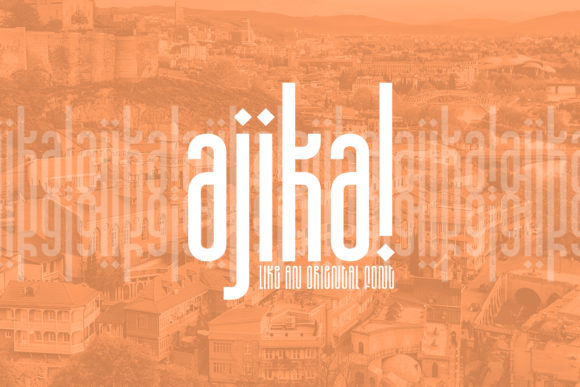
Ajika is a versatile and stylish sans serif font that brings a clean, modern look to any design project. Its simple yet striking letterforms make it ideal for editorial work, where clarity and visual appeal are essential.
Designed with a strong visual effect, Ajika balances simplicity with sophistication. The font’s uniform stroke widths and geometric shapes give it a contemporary feel while maintaining readability across different mediums. Whether used in print or digital formats, Ajika enhances the overall aesthetic of content without compromising legibility.
Editorial Design and Layout Applications
For bloggers and publishers, Ajika offers a range of applications. It works exceptionally well as a heading font, providing a clear visual hierarchy that guides readers through content. In magazine layouts, Ajika can be used for cover titles, section headers, and pull quotes, adding a touch of elegance and professionalism.
In ebook design, Ajika can serve as a title font, making it stand out on digital shelves. Its clean lines ensure that it remains readable even on smaller screens, which is crucial for mobile-friendly content. For newsletters, Ajika can be used in graphic elements such as banners, callout boxes, and subheadings, creating a cohesive visual identity.
Brand Identity and Reader Engagement
Ajika’s modern appearance makes it a great choice for brand identity projects. When used consistently across marketing materials, it helps establish a strong, recognizable visual presence. This consistency is key for building trust and familiarity with an audience.
For content creators, Ajika can be used in quote graphics, which are popular in social media and blog posts. Its clean design ensures that quotes remain legible and visually appealing, encouraging engagement and sharing. In printable materials like worksheets and planners, Ajika adds a professional touch that elevates the user experience.
Use Cases Across Different Media
Consider a lifestyle blog using Ajika for its headlines and section titles. The font’s modern look complements the blog’s tone, making it more attractive to readers. In a recipe ebook, Ajika can be used for chapter headings and ingredient lists, ensuring that the text is easy to read and visually organized.
A wedding guide might use Ajika for cover text and key sections, offering a sleek and elegant design that appeals to couples planning their big day. For a coaching workbook, Ajika can enhance the layout of exercises and tips, making the content more engaging and approachable.
Readability and Cross-Platform Performance
Ajika is optimized for both screen and print. Its open letterforms and balanced spacing make it suitable for web use, where readability on various devices is crucial. When exported to PDF, Ajika maintains its sharpness and clarity, ensuring that documents look professional regardless of the format.
On mobile devices, Ajika’s clean design prevents eye strain, making it ideal for long-form content. For print projects, its high contrast and consistent weight ensure that text remains legible even at smaller sizes.
Font Pairing and Design Flexibility
When pairing fonts, Ajika works well with other sans serif fonts for a modern, cohesive look. It also pairs nicely with serif fonts for a classic contrast, especially when used for body text. This flexibility allows designers to create visually interesting layouts without sacrificing readability.
For captions and navigation menus, a lighter weight of Ajika can provide a subtle yet effective design element. In display settings, bolder weights can draw attention to key messages or headlines, enhancing the overall impact of the design.
Commercial Licensing and Practical Considerations
When using Ajika in commercial projects, such as ebooks, templates, or printables, it’s important to check the licensing terms. Proper commercial licenses ensure that the font can be used legally across various platforms and publications.
Designers should also consider the font’s available styles, alternates, and ligatures. These features can add depth and customization to a design, allowing for more creative expression. Multilingual support is another valuable feature, especially for international publications or content in multiple languages.
Ajika’s versatility makes it a valuable addition to any designer’s toolkit. Whether used for headlines, branding, or layout elements, it provides a modern, clean look that enhances the overall quality of editorial work. Its balance of style and functionality ensures that it remains a practical choice for a wide range of publishing needs.